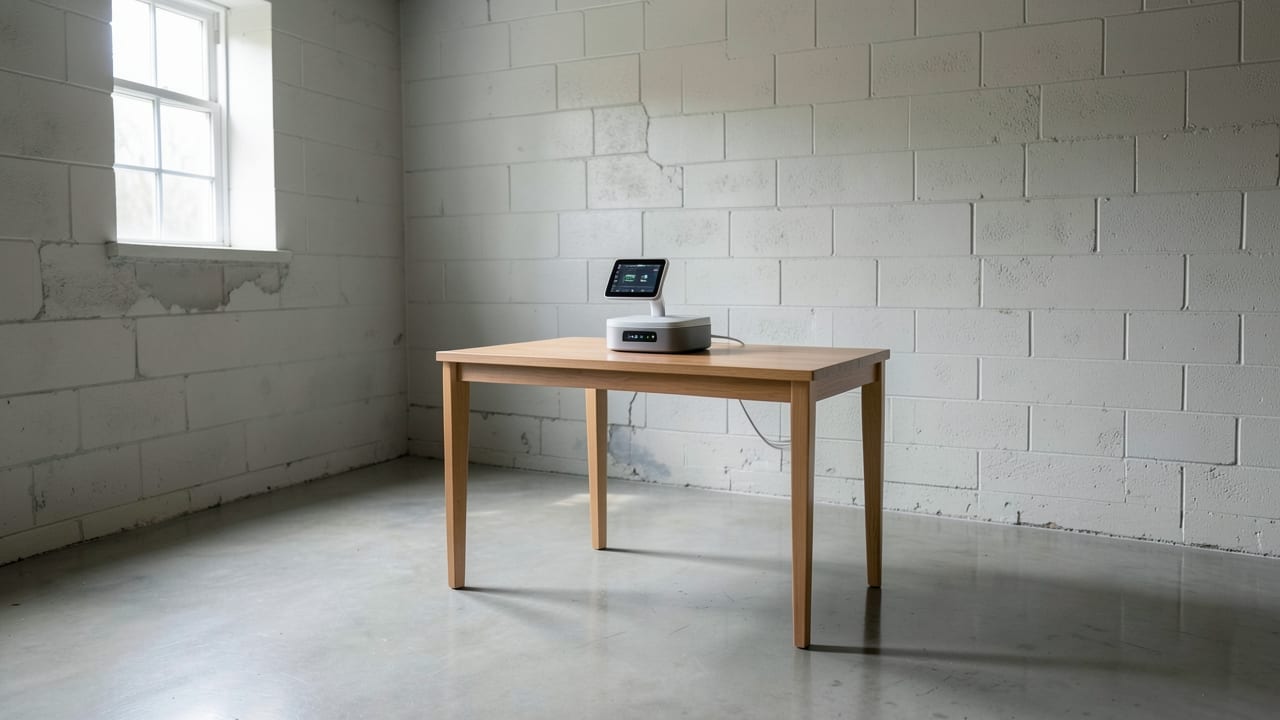
Pre-Sale Mold Clearance
Pre-sale mold clearance involves inspection and testing to confirm a property is mold-free before purchase.
Pre-sale mold clearance in Burnham Place, DC, ensures your home meets real estate standards before closing by identifying hidden mold and moisture sources. This process involves inspections, sampling, and lab analysis to provide a clear report for buyers and sellers, helping avoid delays or disputes over contamination.
When to consider pre-sale mold clearance
Mold often goes unnoticed until it’s already a problem, but certain signs indicate it’s time for an assessment. A persistent musty smell in basements, closets, or bathrooms—especially one that lingers after airing out—is a common red flag.
We also handle Roof Leak Mold Remediation and Apartment Mold Remediation for Burnham Place properties.
Visible mold growth, discoloration on walls, ceilings, or grout, or a history of leaks or flooding also warrant a closer look.
Even if nothing is visibly wrong, a professional inspection can uncover hidden moisture issues in walls, under floors, or behind appliances. Addressing these early prevents mold from becoming a larger, more costly issue during the sale process.
Signs You May Need a Mold Assessment
- A musty or earthy odor in a specific area that doesn’t fade with ventilation
- Visible mold growth (black, green, brown, or dark speckles) on walls, ceilings, or grout
- A history of leaks, floods, or plumbing issues—even if the area was dried afterward
- Symptoms like sneezing, headaches, or itchy eyes that improve when leaving a particular room
- Condensation or dampness on windows, pipes, or walls, especially in basements or bathrooms
What affects pricing and timing?
The cost of pre-sale mold clearance depends on the scope of the inspection, the number of samples taken, and whether additional testing (like air quality sampling) is required.
Most Burnham Place assessments range from $360 to $960, but this can vary based on the size of the home, accessibility of hidden areas, and whether moisture sources need to be traced.
Lab analysis typically takes 2–5 business days, as samples must be sent to an independent, accredited facility for accurate species identification and spore concentration. The written report generated afterward is essential for remediation planning and compliance with real estate standards.
What’s included in a mold assessment?
A thorough mold assessment goes beyond surface checks. It includes a visual inspection for visible growth, moisture meters to detect hidden dampness, and thermal imaging where available. If the source isn’t obvious, air and surface samples are collected from affected areas *and* a control room to compare against a baseline.
The inspection also traces moisture back to its origin—whether it’s a roof leak, plumbing issue, poor grading, or condensation—to address the root cause. Without fixing the moisture source, mold is likely to return, making this step critical for long-term solutions.
| Step | What It Covers | Why It Matters |
|---|---|---|
| Visual Inspection | Checking for visible mold, staining, and musty odors | Identifies obvious contamination and areas needing closer examination |
| Moisture Detection | Using meters and thermal imaging to find hidden dampness | Reveals moisture sources that fuel mold growth |
| Air & Surface Sampling | Collecting samples from suspect areas + a control room | Lab analysis compares results to a clean baseline for accuracy |
| Moisture Source Diagnosis | Tracing leaks, plumbing, or condensation issues | Prevents mold from returning after remediation |
| Written Report | Detailed findings for remediation planning | Required documentation for compliance and contractor pricing |
How pre-sale mold clearance works
A professional assessment follows a structured process to identify and document mold issues before a home sale.
- 1Visual and Moisture Inspection
A trained inspector examines every accessible area of the home, using moisture meters and thermal imaging to detect hidden dampness in walls, floors, and ceilings. Visible mold, staining, and musty odors are mapped for further testing.
- 2Air and Surface Sampling
Samples are collected from areas with suspected mold growth *and* a control room to establish a clean-air baseline. Spore-trap air samples and surface swabs are sent to an independent lab for accurate species identification and spore concentration.
- 3Moisture Source Diagnosis
The inspector traces moisture back to its origin—whether it’s a roof leak, plumbing issue, or poor ventilation—to ensure the root cause is addressed. Without fixing the source, mold is likely to return.
- 4Lab Analysis and Report
Samples are analyzed by an accredited lab, with results returned in 2–5 business days. The final report details affected materials, moisture sources, and square footage, providing a clear scope for remediation.
- 5Written Scope of Work
The report serves as a legal document for remediation contractors and ensures compliance with real estate standards. It outlines exactly what needs to be addressed before the sale closes.
Frequently asked questions
What are the most common signs that mold might be present in my home?
The most common signs include a persistent musty or earthy odor in specific areas, visible mold growth (black, green, or brown spots), discoloration on walls or grout, and symptoms like sneezing or itchy eyes that improve when leaving a room. Even if nothing is visible, hidden moisture in walls or basements can fuel mold growth.
How long does the mold testing process take from start to finish?
The inspection itself takes a few hours, but lab analysis typically requires 2–5 business days. The total time depends on sample collection, lab turnaround, and the complexity of the moisture source diagnosis.
Will the assessment tell me exactly what type of mold is in my home?
Yes, air and surface samples are sent to an independent lab to identify mold species and spore concentration. This helps determine the severity of contamination and whether remediation is needed.
What happens if the assessment finds mold? Do I have to remediate before selling?
If mold is found, the written report will outline what needs to be addressed. While remediation isn’t always legally required, addressing visible or extensive mold issues is strongly recommended to avoid delays or buyer concerns during the sale process.
See Bladensburg, MD for more, or check out our complete Burnham Place service list at a glance for our complete lineup.
Ready to get started?
Talk to a local mold remediation pro in Burnham Place — get a written quote.
Other Mold Remediation Services in Burnham Place
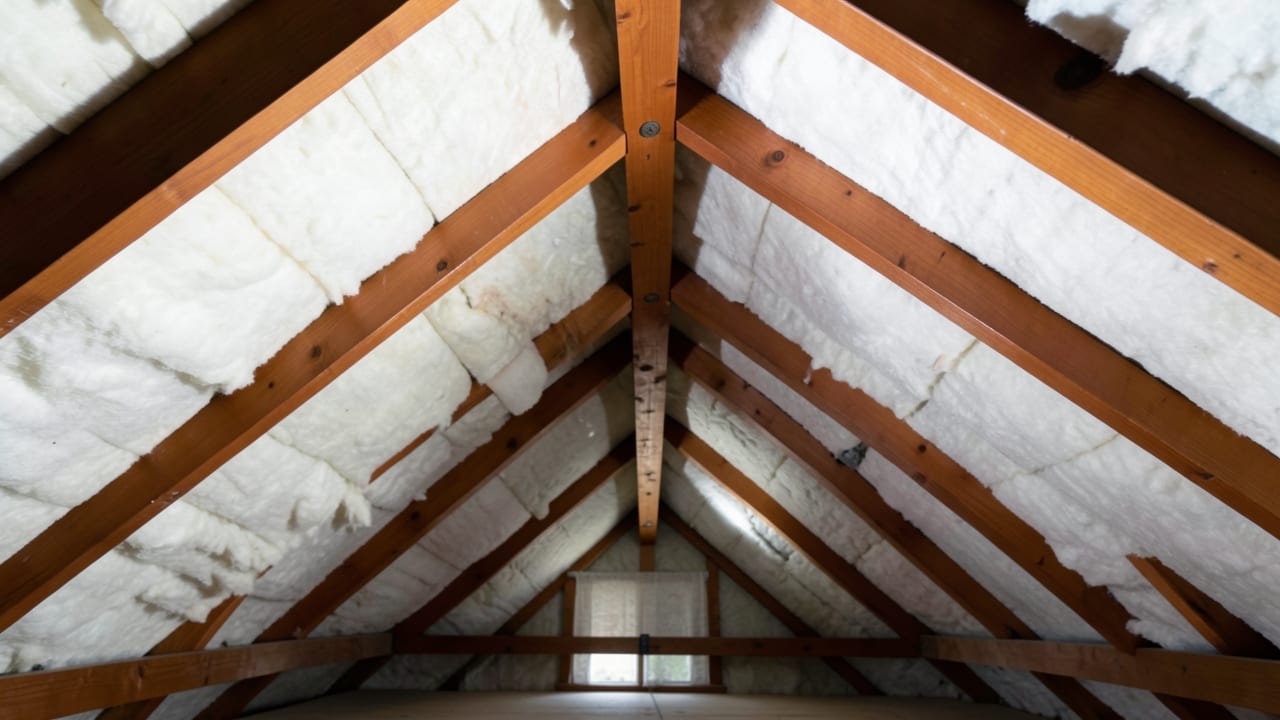
Roof Leak Mold Remediation in Burnham Place, DC
Professional removal of mold caused by roof leaks to restore a safe, healthy home environment.
Learn More
Apartment Mold Remediation in Burnham Place, DC
Professional mold removal and remediation for apartments to restore safe living conditions.
Learn More
Rental Property Mold Cleanup in Burnham Place, DC
Professional mold removal and remediation for rental properties to restore safe living conditions.
Learn More
School Mold Remediation in Burnham Place, DC
Professional mold removal and remediation in schools to ensure a safe, healthy environment.
Learn More
Warehouse Mold Cleanup in Burnham Place, DC
Professional removal of mold from warehouse spaces to restore safe, clean conditions.
Learn More
Tile & Grout Mold Cleanup in Burnham Place, DC
Professional removal of mold from tile and grout surfaces in bathrooms, kitchens, and other tiled areas.
Learn MoreCommon Questions About Mold Remediation in Burnham Place
Everything you need to know about mold remediation services in Burnham Place
How much does Pre-Sale Mold Clearance typically cost in Burnham Place, DC?
Why does Burnham Place, DC's humidity make mold a bigger risk than in drier regions?
Does homeowners insurance typically cover mold remediation?
Is black mold actually more dangerous than other mold types?
How long does a typical mold remediation job take?
Is it safe to stay in the home during mold remediation?
Need Mold Remediation in Burnham Place?
Connect with local providers in Burnham Place for a detailed quote.
⏰ We answer your call • Serving all of Burnham Place and surrounding areas