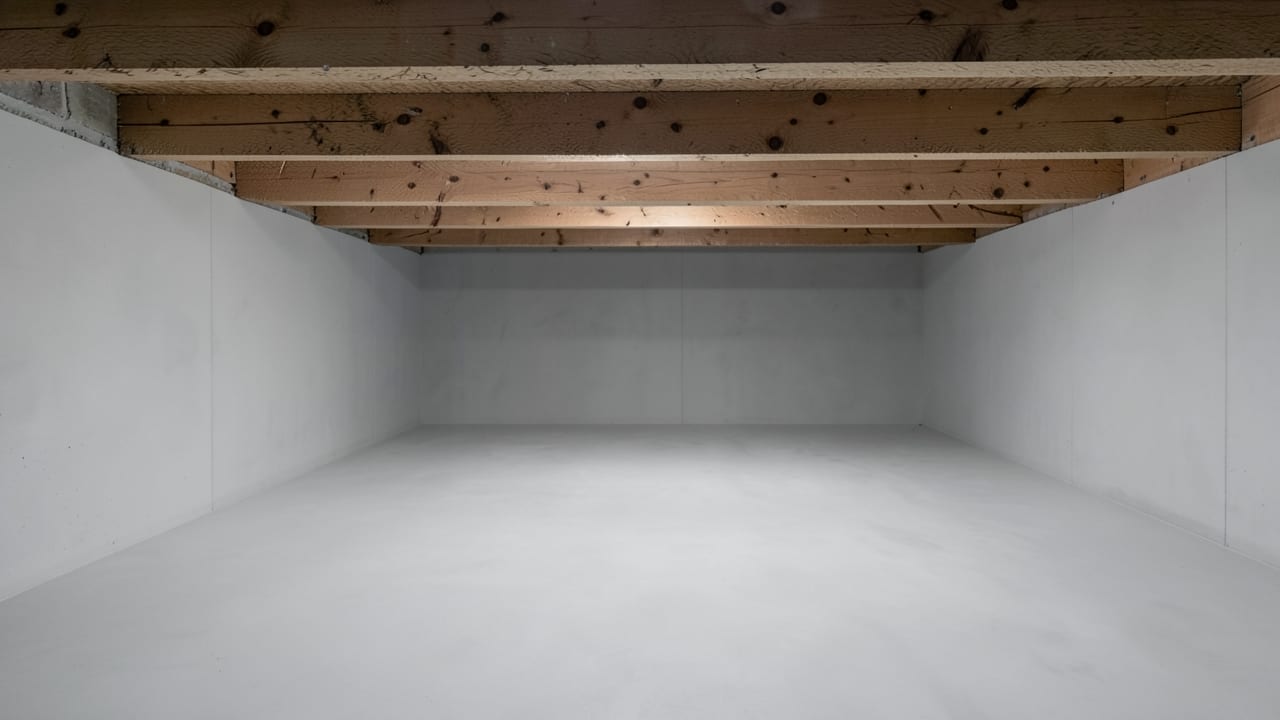
Sewer Backup Mold Cleanup
Professional cleanup of mold caused by sewer backups in homes.
Sewer backup mold cleanup in Burnham Place, DC, addresses contamination from wastewater leaks that spread mold in basements, walls, and flooring. The process removes affected materials, sanitizes surfaces, and restores a safe living environment using containment, HEPA filtration, and moisture control to prevent regrowth.
When sewer backup mold cleanup is needed
Mold from sewer backups often shows clear warning signs before it becomes a widespread issue. Growth covering more than a small patch—especially over 25 square feet—typically requires professional remediation.
We also handle Mold & Asbestos Testing and HVAC Mold Remediation for Burnham Place properties.
Recurring mold in the same spot after cleaning usually means the moisture source, like a leak or poor drainage, hasn’t been fixed.
Hidden mold may reveal itself through persistent musty odors, particularly when HVAC systems circulate air. If the smell worsens when the system turns on, the problem could be inside ducts, spreading spores throughout the home.
Poor airflow in damp areas, such as windowless bathrooms or basements, also signals a need for professional intervention.
Signs You Need Sewer Backup Mold Cleanup
- Mold covering more than 25 square feet in one area
- Recurring mold growth after cleaning the same spot
- A musty smell that worsens when HVAC runs or lingers in damp rooms
- Visible mold in basements, behind walls, or under flooring
- Water damage or persistent dampness in the same location
What affects pricing and timing?
The cost of sewer backup mold cleanup in Burnham Place varies based on the size of the affected area, the type of mold, and the materials involved. Black mold remediation typically costs more due to stricter containment and disposal requirements.
Job duration depends on containment setup, removal of contaminated materials, drying time, and clearance testing.
Hidden mold behind walls or under flooring adds time and cost, as it requires demolition to access and remediate. Poor ventilation or high humidity in the home can also extend drying time, delaying the final clearance test.
Always confirm whether an estimate includes inspection, containment, remediation, and testing to avoid unexpected charges.
Why containment and testing matter
Containment prevents mold spores from spreading to unaffected areas during cleanup. Plastic sheeting and negative-air machines create a sealed workspace, while HEPA-filtered air scrubbers and vacuums capture spores instead of recirculating them. Skipping these steps risks turning a contained job into a larger, more costly cleanup.
Clearance testing by an independent lab confirms mold levels return to normal after remediation. Without this step, there’s no way to verify whether the job was fully effective. Structural drying with dehumidifiers and air movers is also critical—mold regrows on damp materials even after visible traces are removed.
Using non-HEPA vacuums or air scrubbers recirculates spores, worsening contamination. Skipping containment or clearance testing leaves hidden mold untreated. Fixing the moisture source (leaks, poor drainage) is just as important as removing mold—otherwise, regrowth is likely.
How sewer backup mold cleanup works
Professional remediation follows strict steps to remove mold safely and prevent recurrence.
- 1Containment Setup
Plastic sheeting and negative-air machines seal off the affected area to trap spores during removal. This prevents contamination from spreading to other parts of the home.
- 2Material Removal and Cleaning
Porous materials like drywall and carpet padding, which absorb mold, are cut out and disposed of. Non-porous surfaces, such as tile and metal framing, are scrubbed and treated to kill remaining spores.
- 3HEPA Filtration and Drying
HEPA air scrubbers run continuously to capture airborne spores, while HEPA vacuums clean surfaces. Industrial dehumidifiers and air movers dry structural materials to prevent mold regrowth.
- 4Clearance Testing
An independent lab tests air or surfaces for mold spores after cleanup. Results confirm whether levels are back to normal before containment is removed.
Frequently asked questions
Can I clean up sewer backup mold myself if the area is small?
For patches under 25 square feet, DIY cleaning with mold-killing solutions may work if the moisture source is fixed. However, sewer backup mold often hides in walls or ducts, making professional remediation safer and more thorough.
How long does the entire cleanup process take?
Timing varies by job size and moisture levels. Containment, removal, drying, and testing can take anywhere from a few days to over a week, depending on how deeply mold has penetrated materials.
Will my insurance cover sewer backup mold cleanup?
Many homeowners’ policies cover sudden sewer backups, but mold remediation may require separate coverage. Check with your provider to confirm what’s included before starting the job.
Do I need to leave the house during cleanup?
Professionals will advise whether it’s safe to stay. If containment isn’t fully sealed or spores are airborne, they may recommend temporary relocation for your health.
See Seat Pleasant, MD for more, or take a look at how our Burnham Place crew can help in detail for our complete lineup.
Ready to get started?
Talk to a local mold remediation pro in Burnham Place — get a written quote.
Other Mold Remediation Services in Burnham Place
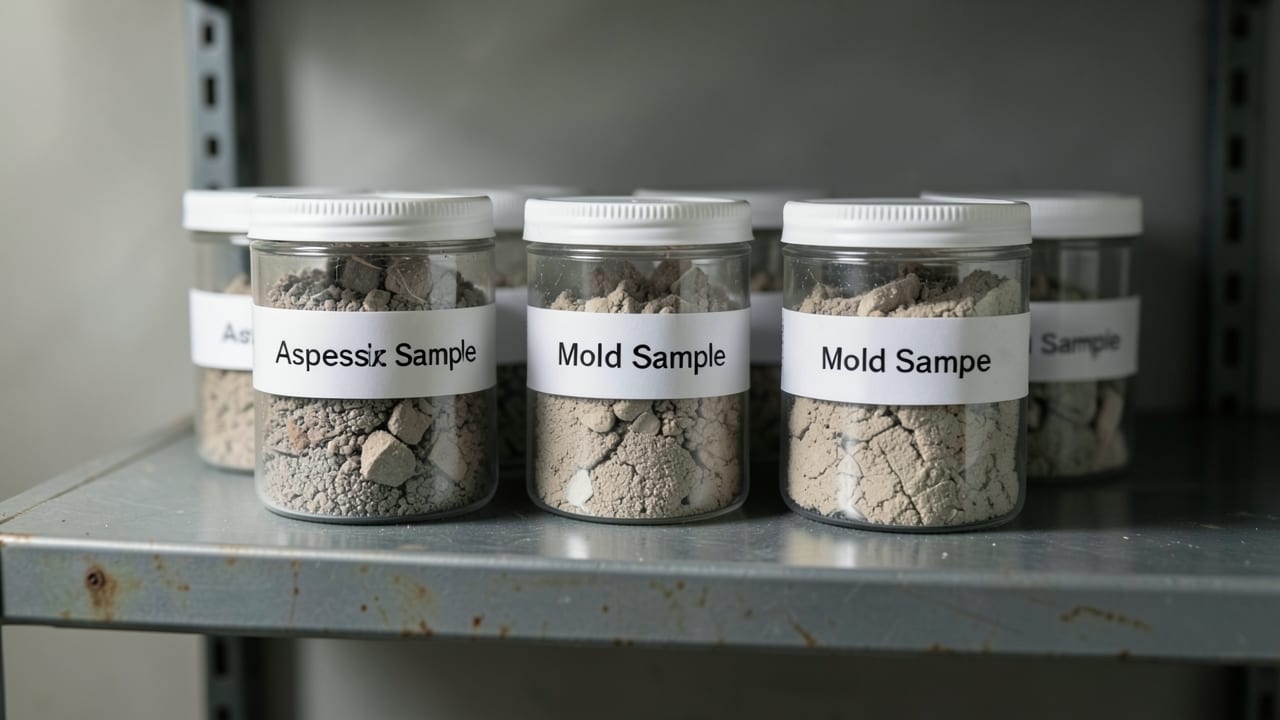
Mold & Asbestos Testing in Burnham Place, DC
Combined mold and asbestos testing in Burnham Place, DC — one inspection visit, lab-verified results for both.
Learn More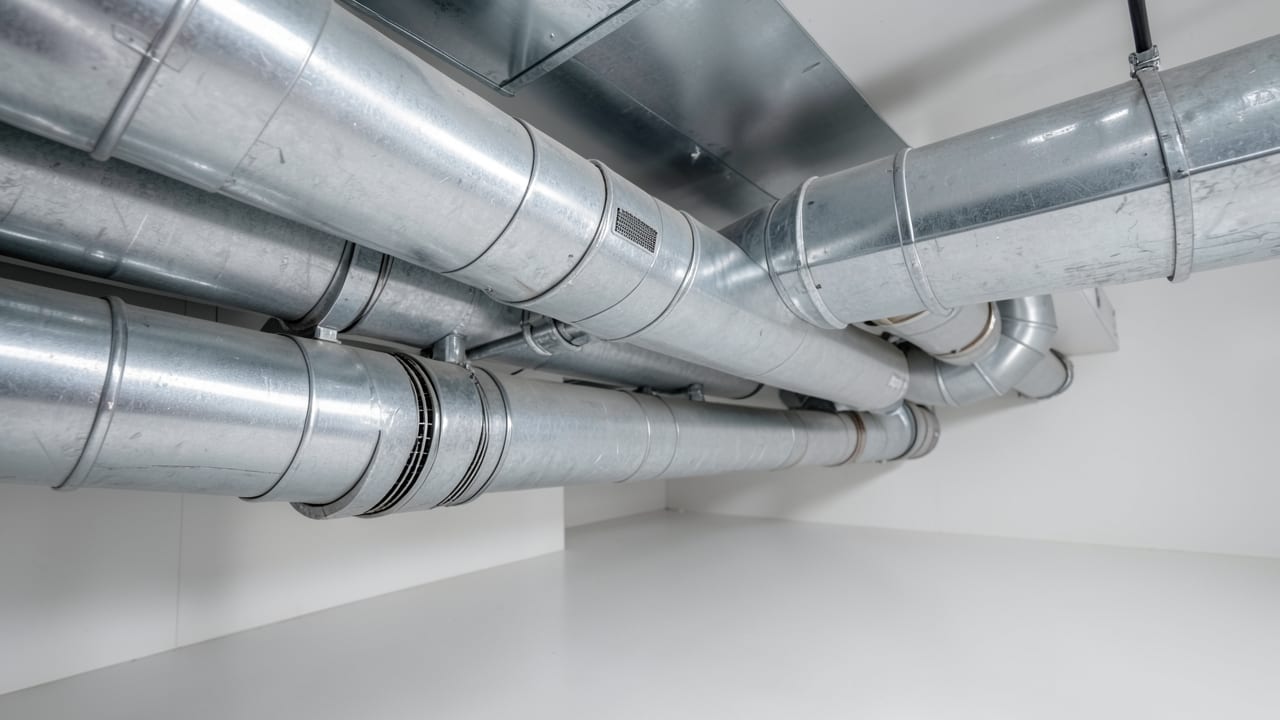
HVAC Mold Remediation in Burnham Place, DC
HVAC and ductwork mold remediation in Burnham Place, DC — mold growing inside the air handler or duct system, spreading through every vent.
Learn More
Drywall Mold Remediation in Burnham Place, DC
Professional removal and treatment of mold growth behind or on drywall surfaces.
Learn More
Kitchen Mold Cleanup in Burnham Place, DC
Professional assessment and removal of mold in kitchen areas to restore a safe, clean environment.
Learn More
Carpet Mold Treatment in Burnham Place, DC
Professional assessment and removal of mold growth from carpets to restore a safe indoor environment.
Learn More
Garage Mold Removal in Burnham Place, DC
Professional assessment and removal of mold growth in garages to restore a safe, clean space.
Learn MoreCommon Questions About Mold Remediation in Burnham Place
Everything you need to know about mold remediation services in Burnham Place
How much does Sewer Backup Mold Cleanup typically cost in Burnham Place, DC?
Why does Burnham Place, DC's humidity make mold a bigger risk than in drier regions?
Is a final clearance test part of a typical mold remediation job?
How does mold remediation actually prevent the problem from coming back?
Can mold growing inside HVAC ductwork spread to the rest of a home?
Does mold mean the same thing as mildew?
Need Mold Remediation in Burnham Place?
Connect with local providers in Burnham Place for a detailed quote.
⏰ We answer your call • Serving all of Burnham Place and surrounding areas