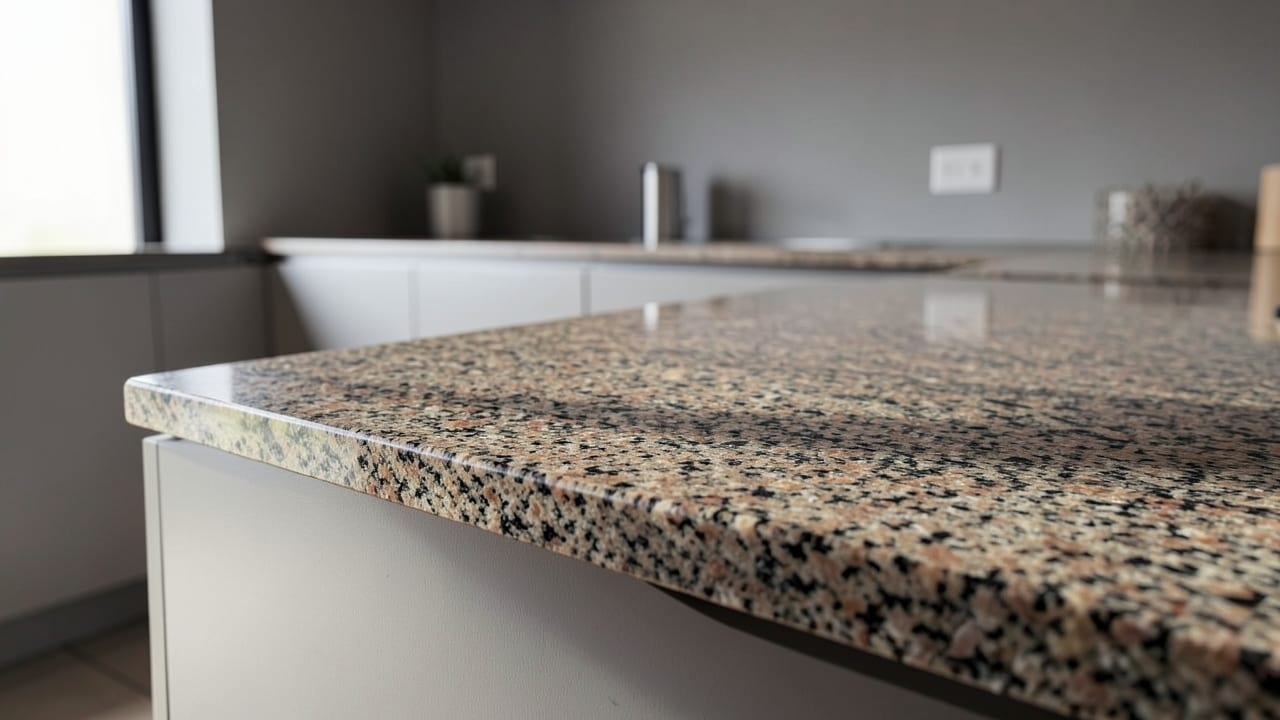
Stone Countertop Mold Removal
Professional removal of mold from stone countertops using specialized cleaning and treatment methods.
Stone countertop mold removal in Burnham Place, DC, targets fungal growth on natural or engineered stone surfaces like granite, marble, or quartz. The process involves deep cleaning with specialized solutions to eliminate spores and prevent regrowth while protecting the surface from damage.
Proper containment and testing ensure mold doesn’t spread or return, addressing both visible growth and hidden moisture sources.
We also handle Warehouse Mold Cleanup and Tile & Grout Mold Cleanup for Burnham Place properties.
When to call for stone countertop mold removal
Mold on stone countertops often starts as small, discolored patches but can spread quickly if moisture remains. If the affected area exceeds a few square inches, grows back after cleaning, or emits a musty odor, it’s likely time for professional remediation.
Ignoring it risks permanent damage to the stone or hidden growth in adjacent materials like cabinetry or grout.
Stone surfaces differ from porous materials like drywall—mold doesn’t penetrate deeply, but spores can linger on sealed surfaces. Without proper treatment, even a small patch can recur, especially in damp areas like kitchens or bathrooms near Burnham Place’s humid climate.
Signs You Need Professional Mold Removal for Stone Countertops
- Mold covers more than a small, isolated patch (typically over 25 contiguous square feet).
- The mold returns within weeks after cleaning with over-the-counter products.
- A musty smell persists even after cleaning, suggesting hidden growth in walls or under cabinets.
- The stone surface shows discoloration or texture changes beyond surface-level stains.
What affects pricing and timing for stone countertop mold removal
Pricing for stone countertop mold removal varies based on the size of the affected area, the type of stone (e.g., granite requires different handling than quartz), and whether additional moisture issues need addressing.
Most providers in Burnham Place offer per-project quotes rather than fixed rates, as every job requires an on-site assessment.
Timing depends on containment setup, drying periods, and clearance testing. A single countertop may take 1–3 days, while larger kitchens or bathrooms with hidden moisture sources could extend to a week or more. Proper drying and testing are critical to prevent regrowth.
Why containment and testing matter
Containment prevents mold spores from spreading during removal. Plastic sheeting and negative-air machines isolate the work area, while HEPA-filtered equipment captures spores instead of recirculating them. Skipping these steps risks contaminating unaffected parts of your home, turning a small job into a larger, costlier one.
Clearance testing after remediation confirms spore levels are back to normal. An independent lab test verifies the work, though results depend on fixing the moisture source—not just removing visible mold. Without testing, hidden growth can persist or return.
Fixing the moisture source (leaks, condensation, or poor ventilation) is as critical as removing the mold. Without it, spores will regrow on the same surface within months, even after professional treatment.
How stone countertop mold removal works
This process ensures mold is removed safely without damaging the stone surface.
- 1Containment Setup
Plastic sheeting and negative-air machines seal off the work area to trap spores. This prevents cross-contamination into other rooms or through HVAC systems.
- 2Deep Cleaning with Specialized Solutions
Mold-specific cleaners are applied to the stone, scrubbed thoroughly, and rinsed to eliminate spores without etching the surface. Non-porous materials like grout or backsplashes are treated similarly.
- 3HEPA Filtration and Drying
HEPA air scrubbers run continuously to capture airborne spores, while industrial dehumidifiers dry framing and subfloors to prevent hidden regrowth. Standard vacuums or non-HEPA filters won’t stop spores from spreading.
- 4Clearance Testing
An independent lab tests air or surface samples post-remediation to confirm spore levels are within normal ranges. This step ensures the mold is fully addressed before containment is removed.
Frequently asked questions
Can I clean mold off my stone countertop myself?
Small patches (under 10 square inches) may respond to vinegar or hydrogen peroxide, but stone surfaces require careful handling to avoid damage. If the mold spreads, recurs, or the stone shows texture changes, professional remediation is safer and more effective.
How do I know if my musty smell means hidden mold?
A musty odor that worsens when HVAC runs or lingers after cleaning often signals hidden growth in walls, under cabinets, or inside ductwork. Visible mold in one spot with no smell elsewhere may still need professional assessment.
Will sealing the countertop after treatment prevent mold from coming back?
Sealing helps, but only if the moisture source is fixed first. Without addressing leaks, condensation, or poor airflow, spores trapped under the seal will regrow over time.
How long should I keep a dehumidifier running after remediation?
Run it for at least 2–4 weeks post-treatment, especially in damp areas like bathrooms or basements. Check humidity levels regularly—aim for under 50% to discourage regrowth.
See Brentwood, MD for more, or take a look at everything on offer in Burnham Place on a single page for our complete lineup.
Ready to get started?
Talk to a local mold remediation pro in Burnham Place — get a written quote.
Other Mold Remediation Services in Burnham Place
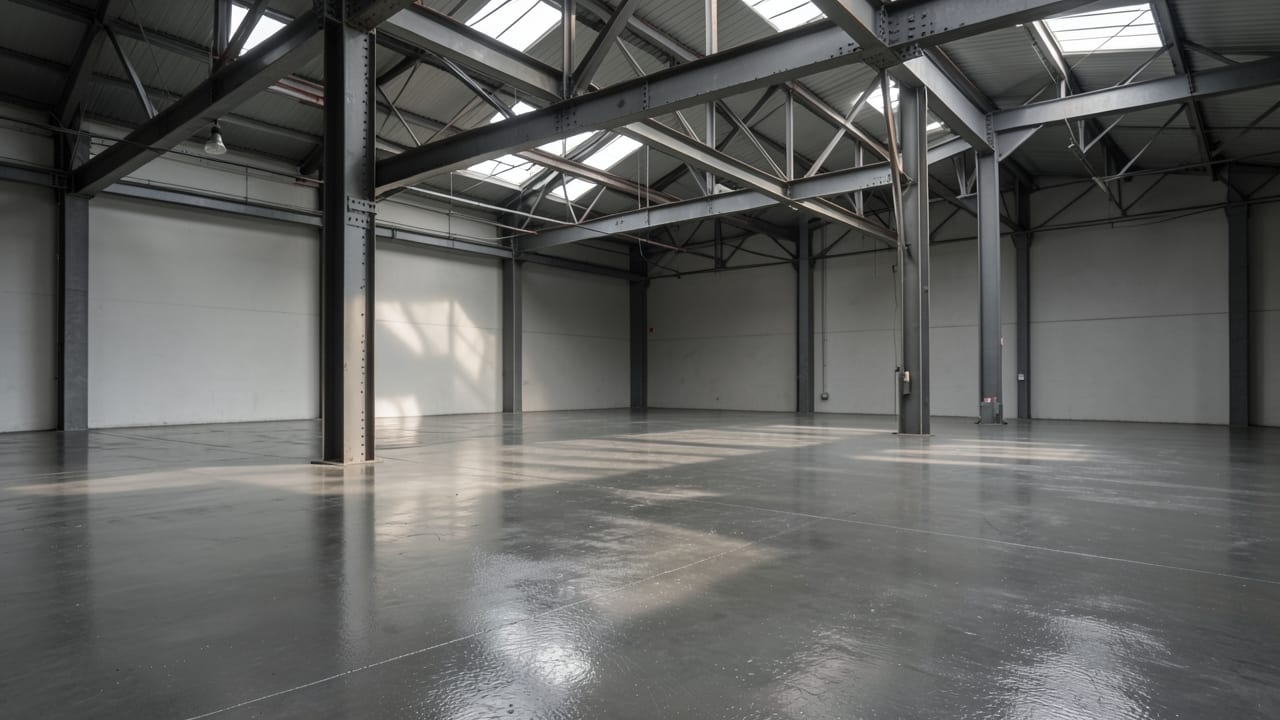
Warehouse Mold Cleanup in Burnham Place, DC
Professional removal of mold from warehouse spaces to restore safe, clean conditions.
Learn More
Tile & Grout Mold Cleanup in Burnham Place, DC
Professional removal of mold from tile and grout surfaces in bathrooms, kitchens, and other tiled areas.
Learn More
Glass Window Mold Removal in Burnham Place, DC
Professional removal of mold from glass windows and frames to restore clarity and prevent spread.
Learn More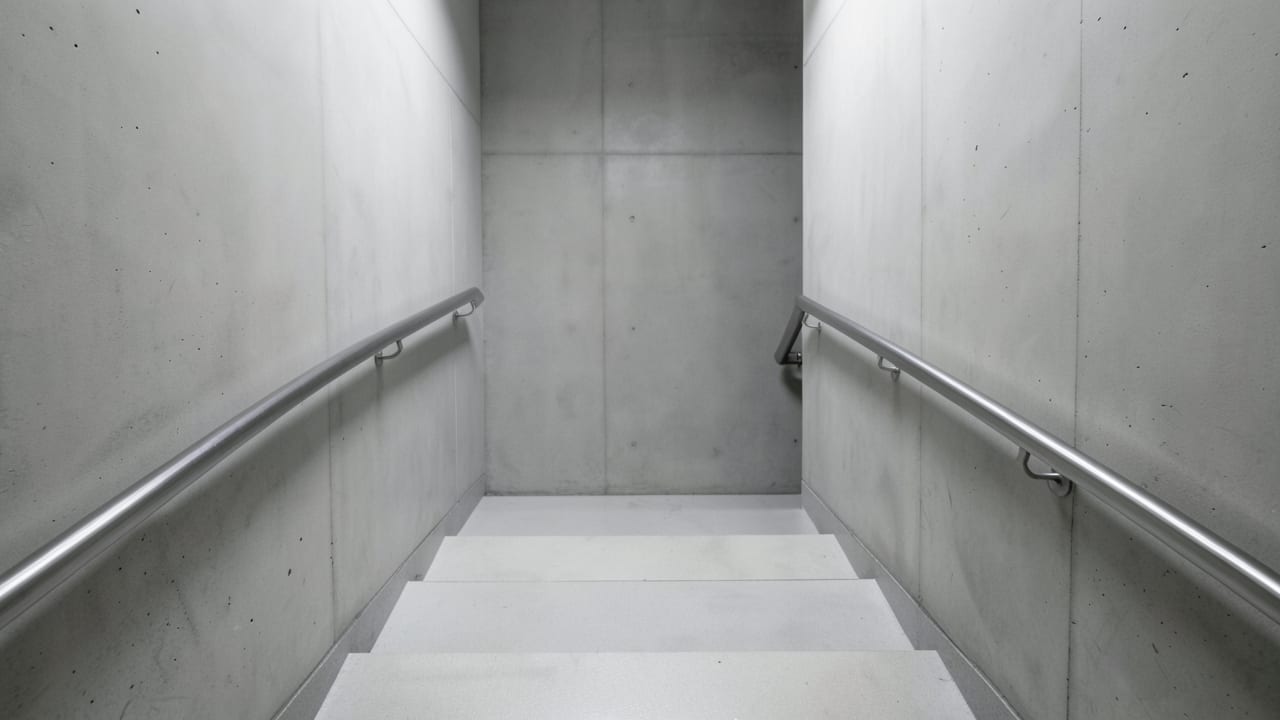
Stairwell Mold Remediation in Burnham Place, DC
Professional mold removal and prevention in stairwells to restore safe, clean spaces.
Learn More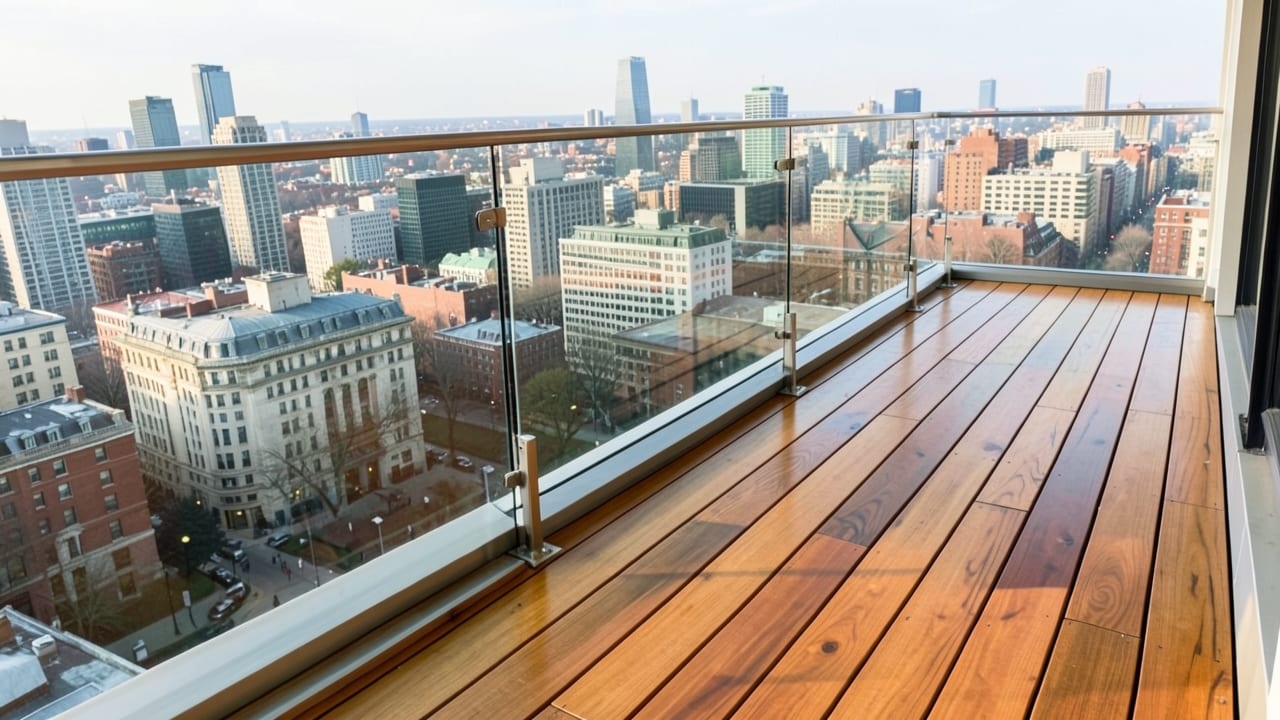
Balcony Mold Cleanup in Burnham Place, DC
Professional removal and treatment of mold growth on balconies and adjacent structures.
Learn More
Closet Mold Cleanup in Burnham Place, DC
Professional cleanup and removal of mold from closets to restore safe, healthy spaces.
Learn MoreCommon Questions About Mold Remediation in Burnham Place
Everything you need to know about mold remediation services in Burnham Place
How much does Stone Countertop Mold Removal typically cost in Burnham Place, DC?
Why does Burnham Place, DC's humidity make mold a bigger risk than in drier regions?
Does homeowners insurance typically cover mold remediation?
Is black mold actually more dangerous than other mold types?
How long does a typical mold remediation job take?
Is it safe to stay in the home during mold remediation?
Need Mold Remediation in Burnham Place?
Connect with local providers in Burnham Place for a detailed quote.
⏰ We answer your call • Serving all of Burnham Place and surrounding areas